Table of Contents
ToggleHogwarts Legacy is packed with Easter eggs that go way beyond the obvious hidden chests and collectibles. Whether you’re exploring the castle for the hundredth time or just starting your fifth playthrough, there’s always something waiting to catch you off guard, a portrait that moves when you’re not looking, a spell reference buried in dialogue, or a creature encounter that only happens under specific circumstances. The developers at Avalanche Software clearly had fun weaving the broader Wizarding World into every corner of the game, and it shows. Discovering these secrets is part of what makes Hogwarts Legacy feel so lived-in and dense with lore. This guide covers the Easter eggs that matter: the ones that deepen your understanding of the world, reward exploration, and sometimes even shift how you see the game’s characters and storyline.
Key Takeaways
- Hogwarts Legacy Easter eggs include hidden portraits, dialogue callbacks, and creature encounters that deepen your understanding of the Wizarding World and reward careful exploration and attention to detail.
- Many Hogwarts Legacy Easter eggs are embedded in environmental details, item descriptions, and NPC conversations that feel organic to the world rather than forced collectibles.
- Secret locations like the Undercroft and Merlin Trials require creative spell use and environmental puzzle-solving, making them satisfying optional content that challenge players beyond standard combat.
- Character interactions frequently reference canonical Harry Potter events and historical figures, creating temporal immersion and grounding the 1800s setting within the broader magical timeline.
- Rare creature encounters like Thestrals and phoenixes are mechanically tied to story progression and player choices, with their appearance driven by in-game circumstances rather than random chance.
- The Hogwarts Legacy community continues discovering new Easter eggs years after launch through collaborative effort, with ongoing discussions on Reddit, Discord, and fan wikis about potential undiscovered secrets.
Magical Portraits And Hidden Paintings Throughout Hogwarts
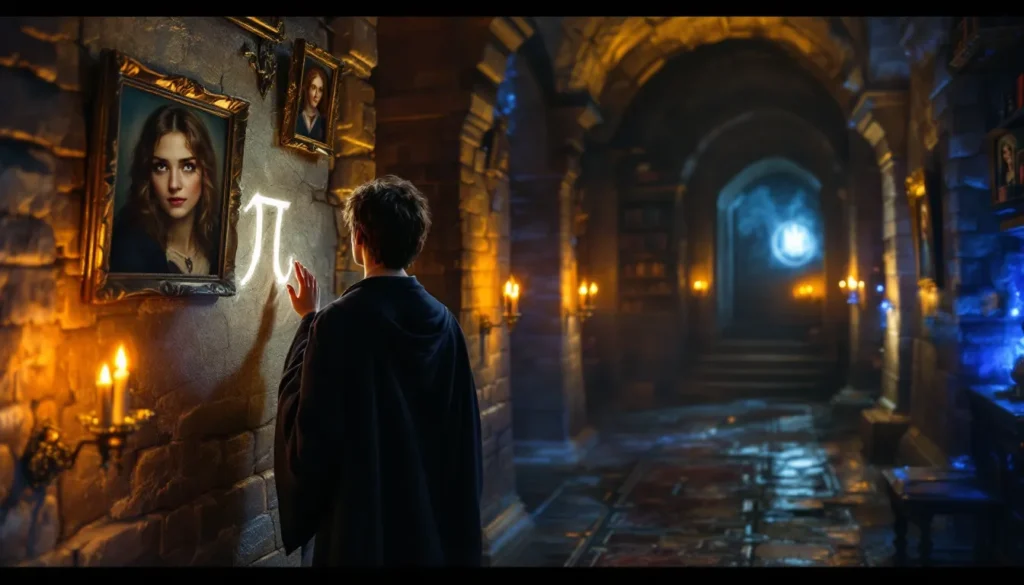
Portraits in Hogwarts Legacy aren’t just set dressing, many of them react to your presence, hold conversations, or reference specific moments from the Harry Potter books and films. The castle is essentially a character itself, and the artists nailed the atmosphere by filling walls with moving images that feel authentically Hogwarts.
The Chamber of Secrets References
One of the most clever portrait Easter eggs appears scattered throughout the castle: paintings that reference or hint at the Chamber of Secrets legend. While the Chamber itself isn’t a full dungeon you can explore (your game takes place centuries before Harry’s time), Hogwarts Legacy includes portraits of students and faculty discussing rumors and warnings about the basilisk and Salazar Slytherin’s hidden chamber. You’ll find these most often in Slytherin common rooms and dungeons, where the atmosphere is already thick with dark history.
The developers included dialogue snippets where NPCs discuss the Chamber as folklore, something they’ve heard about but never witnessed. This adds a layer of world-building that feels authentic: the legend is real in-universe, even if you don’t directly interact with it. Look for portraits that shift their expressions when you linger, as if they’re acknowledging your presence, particularly in areas connected to Slytherin’s heritage.
Dumbledore’s Office Easter Eggs
Dumbledore’s office (which you can visit during your time at Hogwarts) is crammed with Easter eggs that will make any Harry Potter fan grin. The portraits on the walls include previous headmasters and other magical luminaries, and some react to specific spells or your presence in ways that feel deliberately rewarding for attentive players.
One specific detail: if you examine the decorative objects in his office, you’ll notice references to things that matter later in the Potter timeline, hints at future events, artifacts, and conflicts. The game’s writers did something clever by planting these subtle nods that feel natural to the environment but carry extra weight once you know what’s coming in the broader canon.
The office itself is a masterclass in environmental storytelling. Every corner, from the bookshelves to the artifacts on his desk, tells you something about Dumbledore’s character and his role in the magical world. Players interested in Dumbledore’s deeper lore should spend extra time examining everything here.
Book And Spell References Hidden In The Wizarding World
Hogwarts Legacy’s writers were clearly fans of the source material, and they embedded spell references, book titles, and literary callbacks throughout the game. These aren’t always obvious, and some require patience to uncover.
Famous Spell Incantations And Effects
The spells you learn in Hogwarts Legacy aren’t just combat tools, each one has a name rooted in magical theory and history. When you unlock Expelliarmus, Stupefy, or Unforgivable Curses, the game includes flavor text explaining the spell’s origin and effects. Some spells have Easter eggs tied to how they’re performed or what happens when you use them in specific locations.
For example, casting certain spells in Dumbledore’s office or near magical artifacts sometimes triggers unique animations or sound effects that don’t occur elsewhere. The developers built in these contextual reactions to reward players who experiment with spell combinations and environmental interaction. If you’re casting defensively in the library, the game acknowledges the sacred space through subtly different magical effects compared to using the same spell in the Forbidden Forest.
The incantations themselves, Glacius, Diffindo, Accio, all tie back to canonical spell knowledge from the books. Even some lesser-known spells have explanations in-game that reference Potter lore, making the spell system feel like an extension of the broader magical world rather than generic fantasy mechanics.
Literary Nods To The Harry Potter Series
Throughout the castle, you’ll find references to specific books from the Harry Potter universe. Fantastic Beasts and Where to Find Them, The Standard Book of Spells, and other canon texts appear as actual in-game collectibles or are mentioned in dialogue. Some of these aren’t just lore flavor, they unlock additional lore entries that expand on specific creatures, spells, or magical concepts.
The game includes Easter eggs where NPCs quote directly from or reference famous moments from the books. A character might mention a famous duel, a legendary student, or a historical event that happened in the books, grounding your 1800s adventure in a broader timeline. Pay attention during casual dialogue in common rooms and hallways, some of the best literary callbacks come through overheard conversations rather than main questlines.
One specific example: players have discovered references to Newt Scamander’s activities and early adventures, which tie directly to the Fantastic Beasts films and books. Since Hogwarts Legacy is set long before Scamander’s time, these are purely historical references, but they reinforce the continuity of the Wizarding World’s history.
Creature Cameos And Magical Encounters
Some of the best Easter eggs in Hogwarts Legacy involve creatures that aren’t traditionally part of standard gameplay. These encounters feel rare and special, often requiring specific conditions or exploration routes to trigger.
Legendary Beasts And Rare Spawns
Certain creatures in Hogwarts Legacy have legendary variants or rare spawn conditions that many players never experience on a first playthrough. These aren’t marked on your map, and they don’t appear during routine exploration. Instead, they emerge when you’re in specific locations at certain times or under particular circumstances.
For instance, some legendary magical beasts only appear if you’ve completed particular side quests or reached certain story milestones. The game tracks your progress and adjusts environmental spawns accordingly, so a creature you never encountered before might suddenly appear once you’ve earned access to restricted areas or gained particular magical knowledge.
These rare encounters reward dedicated exploration and pattern-recognition. Veteran players who understand mob behavior and respawn mechanics often stumble onto these creatures accidentally while grinding XP or searching for collectibles. Once you spot one, it becomes a memorable moment, the kind of thing you screenshot and share because it felt genuinely special and unexpected.
Thestral And Phoenix Sightings
Thestrals are particularly iconic Easter eggs in Hogwarts Legacy because they’re notoriously difficult to spot without specific conditions. In the Harry Potter universe, Thestrals are only visible to those who have witnessed death, a rule the game respects mechanically. Without spoiling specifics, your story circumstances determine whether and when Thestrals appear to you in certain locations.
Phoenix sightings are similarly rare and magical. These aren’t just narrative moments: they’re environmental events that players can encounter during exploration. Finding a wild phoenix in an unexpected location feels like stumbling onto something genuinely magical, even if it’s scripted. The game’s audio and visual design makes these moments land hard, you’ll know immediately when you’ve witnessed something special.
Both creatures have lore significance beyond their appearance. References to their properties and historical importance appear throughout Hogwarts Legacy, making encounters feel earned rather than arbitrary. Players who engage with the broader lore before exploring wilderness areas will recognize why these creatures matter and what their presence implies about the magical world.
Location-Based Secrets And Hidden Areas
Hogwarts and its surrounding regions are enormous, and the developers hid entire secrets behind careful level design and puzzle logic. Some areas require specific spells or abilities to access, creating natural barriers that reward progression and spell mastery.
The Undercroft And Secret Passages
The Undercroft is one of Hogwarts Legacy’s most talked-about locations, and it’s entirely optional, which is exactly the point. This secret sanctuary sits hidden beneath the castle, accessible only through careful exploration and a willingness to break rules. The journey to discover it serves as an organic tutorial in environmental reading: you’re learning to spot details that don’t quite match the normal architecture.
Once you’re inside, the Undercroft itself is packed with Easter eggs. The decor, the ambient storytelling, and the NPCs you encounter there all reference broader lore about rule-breaking, dark magic, and the school’s history of rebellion. It’s the kind of location that makes you feel like you’ve stumbled onto something genuinely secret, not because the game is gatekeeping, but because you earned access through attention and effort.
Secret passages throughout the castle follow the same design philosophy. Rather than being marked or obviously indicated, they’re hidden in plain sight, cracks in walls, hidden doors, or passages revealed by specific spells. Players using Hogwarts Legacy Headmaster’s Office guides will spot some of these, but the best secret passages are discovered through organic exploration. You’ll be moving through corridors and suddenly notice something odd about a wall, then realize you’ve found something cool.
Merlin Trials And Puzzle Solutions
Merlin Trials are optional challenge locations scattered throughout the Hogwarts grounds and beyond. Each trial presents a magical puzzle that requires you to use specific spells creatively, not just in combat, but as tools for environmental interaction. Solving these unlocks rewards and deepens your magical mastery.
The puzzles themselves are Easter eggs disguised as challenges. The solutions often reference magical theory, Merlin’s own legend, and the broader Wizarding World’s rules about magic and nature. Some trials require you to use spells in sequences that feel unintuitive at first but make perfect sense once you understand the magical logic.
Completing Hogwarts Legacy Gobstone Locations and exploring hidden routes often leads you to discover Merlin Trials organically. The game doesn’t force you to complete them, but the rewards, increased spell power, new abilities, or lore unlocks, make the effort feel worthwhile. Veterans of the game report that Merlin Trials are some of the most satisfying optional content because they reward creative spell use rather than just grinding combat.
Npc Interactions And Dialogue Callbacks
Some of Hogwarts Legacy’s best Easter eggs hide in dialogue and NPC behavior. These are often one-off moments that add flavor without being essential to the story, but they significantly enrich the experience if you’re paying attention.
Character References To Canonical Events
Throughout your adventure, NPCs reference historical events from the Harry Potter books and films in ways that feel organic to conversation. A professor might mention a famous wizard, a student might gossip about an event from the past, or an elder character might reminisce about their own school days and reference people or incidents you recognize from the broader canon.
The trick is that these references aren’t forced or cloying, they’re woven into natural dialogue about character backgrounds, magical theory, or school gossip. If you’re not familiar with Potter lore, the dialogue still makes sense: if you are, you get an extra layer of enjoyment from recognizing the references.
One consistent Easter egg involves characters discussing famous duels, legendary students, or significant historical figures. These references ground the game’s setting in a living, breathing history. Some NPCs even reference events that will happen later in the timeline, things you know about from the books, which creates a subtle temporal immersion. You’re exploring a world where the future is already written (from a meta perspective), and certain characters are unknowingly heading toward famous futures.
Random Dialogue Sequences And Ambient Storytelling
If you linger in common rooms, hallways, or outdoor areas, you’ll overhear random conversations between NPCs. These ambient dialogue bits are pure flavor, but they’re often genuinely entertaining and occasionally drop lore bombs. A student might mention an upcoming event, a professor might joke about administrative nonsense, or a group of students might gossip about what’s happening elsewhere in the castle.
Some of these ambient sequences reference specific events or people from the books obliquely. A student might complain about a particularly difficult book for a class, and that book is a real text from the Potter universe. These moments reward patient players who sit and listen rather than immediately rushing to the next objective.
The genius of this approach is that it makes Hogwarts feel inhabited. Real people are living here, having conversations, making plans, and dealing with the mundane stuff alongside the magical drama. Easter eggs emerge naturally from this ambient storytelling, you’re not hunting for them so much as stumbling onto them while experiencing the world as it actually exists.
Players exploring Hogwarts Quests and Hogwarts Missions often discover dialogue callbacks that reference earlier choices or interactions. The game tracks your decisions, and NPCs react accordingly, sometimes referencing things you did chapters ago in a way that proves the world is paying attention to your actions.
Magical Artifacts And Item Descriptions
Every collectible item in Hogwarts Legacy has a description that provides lore context. These aren’t always essential to understand gameplay, but they’re packed with Easter eggs and references for players who read them.
Collectible Gear With Lore Significance
When you find legendary equipment pieces, cosmetic items, or special artifacts, each one comes with a detailed description explaining its history, origin, or significance. Some of these descriptions reference specific events from the books, famous wizards, or important magical concepts.
Gear descriptions occasionally include Easter eggs in the form of subtle details that tie to broader lore. A robe might be described as having been worn by a character you recognize, or armor might reference a historical battle from Wizarding World history. These details don’t affect gameplay, but they deepen immersion for lore-focused players.
One clever Easter egg involves cosmetic items referencing outfits worn by characters from the Harry Potter films. While you can’t wear exact replicas (for licensing reasons), some cosmetics are clearly inspired by iconic looks, and their descriptions acknowledge this inspiration subtly. Collectors who hunt down specific gear combinations can essentially recreate memorable character aesthetics.
Special artifacts you discover, items unique to Hogwarts Legacy’s story or tied to specific questlines, always have descriptions that expand on their role in the world. These aren’t just loot: they’re story elements waiting for players curious enough to read about them.
Potion Ingredients And Brewing Secrets
Hogwarts Legacy’s potion system is surprisingly deep, and the ingredients you collect all have descriptions with lore significance. Each ingredient ties to magical theory, historical uses, or references from the broader Wizarding World.
Some potion ingredients have Easter eggs in their descriptions that reference how they’re used in canonical texts or famous potions. The game doesn’t always make the connection explicit, you won’t get a popup saying “Hey, this is used to make Veritaserum.”, but if you’re familiar with Potter lore, you’ll recognize the references.
Brewing potions in specific locations sometimes has hidden effects or results. Brewing in Dumbledore’s office might yield superior results compared to brewing in a standard cauldron elsewhere, for instance. The game respects magical logic: location, atmosphere, and preparation all matter. Players using Hogwarts World guides to optimize their potion-brewing strategies often discover these contextual bonuses accidentally.
Potion ingredient combinations themselves can be Easter eggs. While the potion system is relatively forgiving (most combinations work), certain ingredient pairings create potions that feel thematically appropriate. Using specific ingredients together might not give you a mechanical bonus, but it feels right from a lore perspective, rewarding players who think critically about magical chemistry.
One significant Easter egg involves rare potion ingredient locations. Some ingredients only appear under specific conditions, certain weather, times of day, or after completing questlines. Discovering where to find rare ingredients feels like unearthing trade secrets, especially when you realize veteran players have been hunting for these spawns for months post-launch.
Community Discoveries And Ongoing Revelations
Even years after launch, the Hogwarts Legacy community is still uncovering Easter eggs. Some discoveries required collaborative effort, multiple players noticing small details, sharing observations, and eventually piecing together something significant.
Community wikis and forums regularly feature posts about newly verified Easter eggs or alternative methods for discovering existing ones. Some Easter eggs are so well-hidden that only dedicated dataminers or explorers found them initially, and the community continues to document these discoveries for players arriving in 2026.
One remarkable aspect of Easter egg hunting in Hogwarts Legacy is that some require hardware-specific observation. Graphics settings, render distances, and frame rates can affect whether certain visual Easter eggs are noticeable. A detail that’s obvious on a PS5 might be easy to miss on a lower-end PC, and vice versa. The community regularly discusses platform-specific discoveries, acknowledging that the game feels subtly different depending on how you’re playing.
Resources like Twinfinite and IGN maintain comprehensive Easter egg guides that aggregate community findings. These guides get updated as new discoveries emerge, and they serve as reference points for the most significant and well-documented Easter eggs. If you’re hunting for something specific, these external resources can save hours of exploration.
Certainly there are extensive Hogwarts Legacy Field Guide pages and collectibles that players are still optimizing routes to find more efficiently. The community shares optimal farming routes and spawn locations regularly, with new strategies emerging as players discover time-saving techniques or platform-specific farming methods.
The most exciting Easter eggs are still those the community is actively investigating. Discussion threads on Reddit, Discord servers dedicated to Hogwarts Legacy, and fan sites continue buzzing with theories about what else might be hidden. Some players are convinced certain secrets haven’t been discovered yet, and they’re probably right, games this dense usually have buried content that takes months or years to fully surface.
Regular players should check Game8 for the latest meta discoveries and Easter egg compilations. These sites aggregate findings from across platforms and play styles, ensuring you’re not missing something obvious while hunting for the obscure.
Conclusion
Hogwarts Legacy’s Easter eggs transform the game from a solid action-RPG into a treasure hunt for fans of the Wizarding World. Whether you’re discovering your first hidden portrait or spotting your twentieth subtle lore reference, the game rewards curiosity and attention to detail in ways that feel authentically magical.
The best approach to Easter egg hunting isn’t sprinting through to catch them all, it’s exploring organically, reading item descriptions, listening to dialogue, and paying attention to environmental details that seem slightly off or unusually detailed. Some of your best discoveries will be accidental, stumbled upon while exploring a corner of the castle you thought you already knew.
As the community continues uncovering secrets in 2026 and beyond, new Easter eggs and interpretations will emerge. The game’s design encourages multiple playthroughs, different character builds, and varied exploration routes, all of which reveal different Easter eggs. Whether you’re a casual player enjoying your first adventure through Hogwarts or a veteran hunting for that final hidden secret, there’s always something waiting to be found, and that’s exactly how the developers designed it.