

In the world of storytelling, the HFW plot is like that quirky friend who shows up at the party and instantly steals the show. It’s a narrative structure that’s both captivating and cleverly crafted, ensuring readers stay glued to the page. If you’ve ever found yourself chuckling at unexpected twists or gasping at well-timed reveals, you’ve likely encountered the magic of HFW.
Overview of HFW Plot
The HFW plot distinguishes itself through its intricate layering and dynamic pacing. This structure involves multiple storylines that intertwine, creating a rich tapestry of character development and thematic depth. Each character faces challenges that add complexity to their arcs, leading to unpredictable outcomes.
Engagement with the audience occurs through clever plot twists and well-timed reveals that heighten suspense. Elements of surprise hold the reader’s attention, prompting them to reconsider earlier events in light of new revelations. The balance between tension and resolution engages emotions effectively.
Analysis of the HFW plot reveals its roots in traditional storytelling forms, yet it innovatively pushes boundaries. This approach challenges readers to connect disparate narrative threads and actively participate in deciphering the plot’s meaning.
Key features include:
- Non-linear storytelling: Events unfold out of chronological order.
- Character-driven focus: Emphasis on character motivations drives the plot forward.
- Interconnected narratives: Various storylines intersect, creating a cohesive experience.
- High stakes: Critical situations drive tension and inspire emotional investment.
Practically, writers utilize the HFW plot to explore complex themes while maintaining reader interest. The unpredictability of character choices and external conflicts fosters an engaging narrative rhythm. Overall, the HFW plot serves as a powerful tool for creating captivating stories that resonate with audiences.
Key Features of HFW Plot
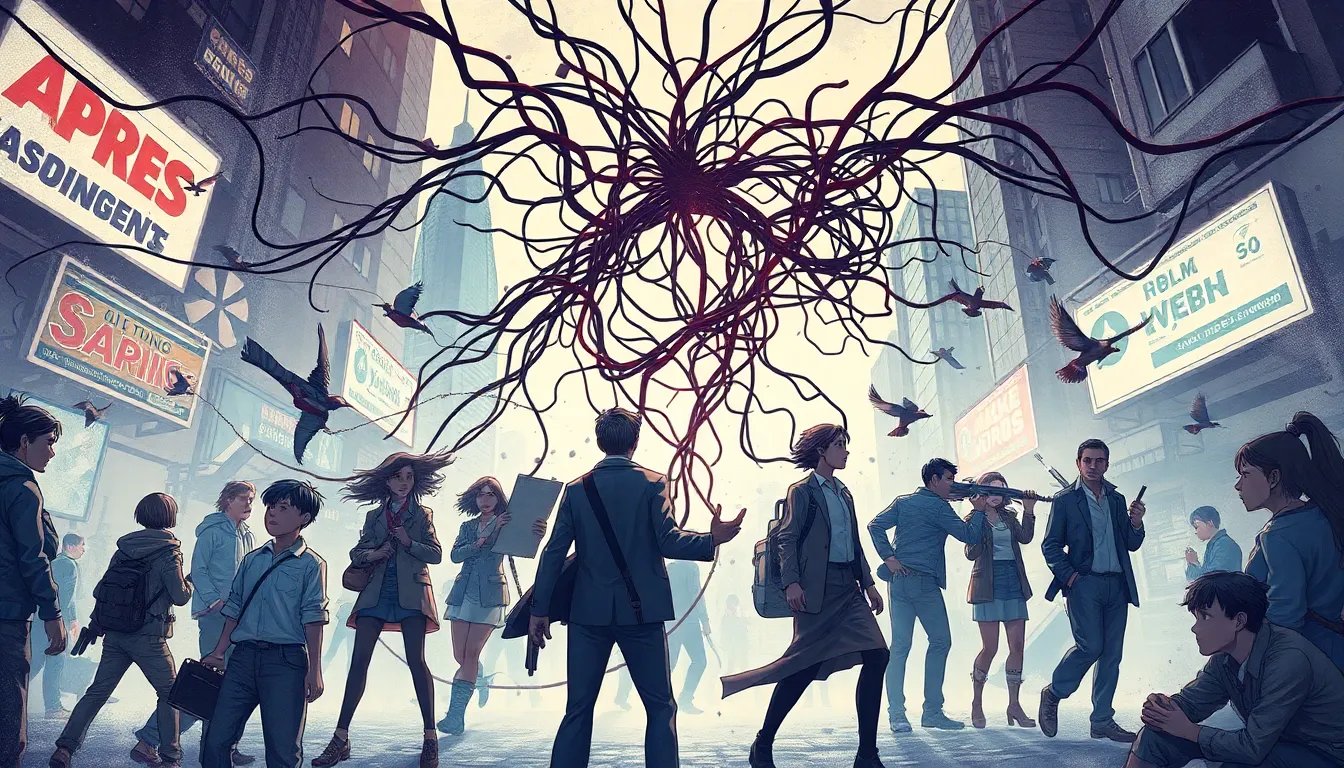
HFW plots amplify storytelling through their unique structure and engaging elements. Readers experience a blend of excitement and complexity, which keeps them absorbed in the narrative.
Structure and Components
HFW plots employ non-linear storytelling that sets them apart from traditional narratives. Multiple storylines intertwine, creating rich connections among characters and themes. Each component enhances character development and narrative depth. Dynamic pacing maintains reader engagement, while suspenseful reveals prompt exploration of earlier events. A focus on character-driven arcs allows for deeper emotional investment, making each challenge faced significant to the overall plot.
Typical Use Cases
Writers often utilize HFW plots in genres such as mystery, thriller, and drama to elevate tension and intrigue. These plots create captivating narratives that challenge readers to piece together complex relationships. They suit stories featuring intricate layers of conflict, providing opportunities for unexpected twists. Large ensemble casts often find success in HFW structures, as diverse character arcs interact to create compelling outcomes. By fostering emotional engagement, writers can explore profound themes while maintaining audience interest.
Benefits of Using HFW Plot
HFW plots offer several advantages that enhance storytelling. Writers frequently leverage their unique qualities to engage readers and deepen narrative impact.
Enhanced Data Visualization
HFW plots excel in presenting complex narratives through visual means. By intertwining multiple storylines, they create a rich tapestry of events. Readers easily track character motivations and thematic elements, resulting in a clearer understanding of relationships. The visual pattern in HFW plots facilitates rapid comprehension, allowing readers to connect plot points with greater ease. Often, this approach invites readers to reconsider previous events, enhancing their overall experience. Visual aids such as charts and diagrams complement these narratives, showcasing character arcs and pivotal moments effectively.
Improved Analysis Capability
Analysis of HFW plots unveils intricate layers within the storyline. Writers can dissect character interactions and thematic developments with greater precision. This analysis often leads to detailed insights about character growth and plot progression. By focusing on interconnected narratives, readers gain a comprehensive view of underlying themes and motivations. Enhanced analysis capabilities enable deeper engagement, fostering discussions that resonate beyond the text. Ultimately, this contributes to a richer literary experience, enticing readers to explore the narrative intricacies thoroughly. Through careful examination, readers discover profound meanings embedded within the plot structure.
Limitations and Challenges
HFW plots, while innovative, face several limitations that can hinder their effectiveness. First, complexity can overwhelm readers. Multiple storylines or intricate character connections might confuse those seeking straightforward narratives.
Pacing also presents challenges. Rapid shifts between narratives can disrupt the flow of storytelling, making it difficult for readers to stay engaged. If the timing of reveals isn’t precise, suspense can dissipate, detracting from the overall impact.
Another issue arises in character development. With an ensemble cast, balancing character arcs becomes crucial. Insufficient depth for specific characters can lead to reader disconnection. Failing to create strong, individual narratives may compromise emotional investment.
Audience expectations impose additional challenges. Readers accustomed to linear plots might struggle with non-linear storytelling. Those unfamiliar with HFW plots may miss vital connections or thematic elements, resulting in frustration rather than engagement.
Lastly, writing HFW plots demands skillful craftsmanship. Authors must navigate complex layers without losing coherence. If not managed properly, the plot can feel disjointed, undermining the narrative experience.
While HFW plots enhance storytelling, they come with notable limitations. Understanding these challenges allows writers to craft engaging narratives that resonate without overwhelming or confusing their audience.
The HFW plot emerges as a compelling narrative structure that captivates and engages readers through its intricate design. By intertwining multiple storylines and focusing on character development, it creates a rich tapestry of suspense and emotional depth. This innovative approach not only challenges traditional storytelling but also invites readers to actively participate in piecing together the narrative.
While it presents certain challenges such as complexity and pacing, the potential for profound thematic exploration makes the HFW plot a valuable tool for writers. By mastering its nuances, storytellers can craft resonant narratives that leave a lasting impact on their audience. Embracing the HFW plot can elevate storytelling to new heights, ensuring that readers remain invested from beginning to end.


