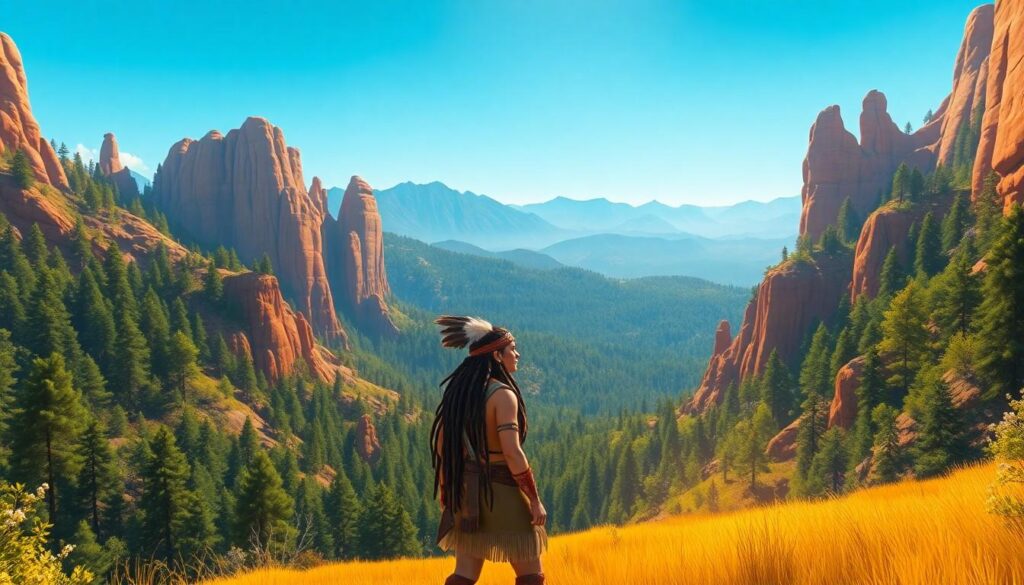
In the vast world of gaming, few landscapes capture the imagination like the stunning vistas of Horizon Forbidden West. But what if the breathtaking map isn’t just a figment of creative genius? What if it’s inspired by real-world locations? Buckle up as we embark on a journey that’s part adventure, part geography lesson, and all fun.
From lush forests to towering mountains, the game’s environment might just have some familiar roots. Players often wonder where the lines blur between fiction and reality. Get ready to explore the hidden connections that could make you feel like an intrepid explorer in both the game and the real world. Who knew gaming could double as a travel guide?
Overview of Horizon Forbidden West
Horizon Forbidden West captivates players with its expansive map, rich in detail and diverse geography. The environment features lush forests, sweeping plains, and towering mountains, mimicking real-world landscapes found in the western United States. Players traverse locations that resonate with iconic sites, providing a sense of familiarity and exploration.
Exploration thrives in the game, encouraging players to dive into the intricate world. Sunken cities and ruins appear, acting as reminders of a lost civilization. Each area holds both beauty and danger, demanding players’ skills. Wildlife and robotic creatures populate the landscapes, enhancing the immersive experience.
Locations reflect real-world influences, showcasing their connection to American landmarks. The red rock formations echo the iconic landscapes of Arizona, while coastal regions resemble California’s rugged shoreline. Players may find joy in comparing these digital representations to the geographic beauty of the actual world.
The narrative unfolds as players engage with various tribes inhabiting these regions. Each tribe brings unique cultures, histories, and conflicts, enhancing the depth of the story. Relationships with these groups enrich the gameplay, prompting players to reflect on their roles in this world.
Challenges await adventurers at every turn. Completing quests often requires exploration and critical thinking. Furthermore, environmental puzzles encourage players to interact dynamically with the surroundings, solidifying the connection between the game and real-world discovery.
In essence, Horizon Forbidden West thrives on the blending of fictional landscapes with actual geographic elements, providing both an adventure and a glimpse into our world. Players can explore vast terrains while unraveling a compelling story, promoting a unique gaming experience.
Real World Inspirations Behind the Map
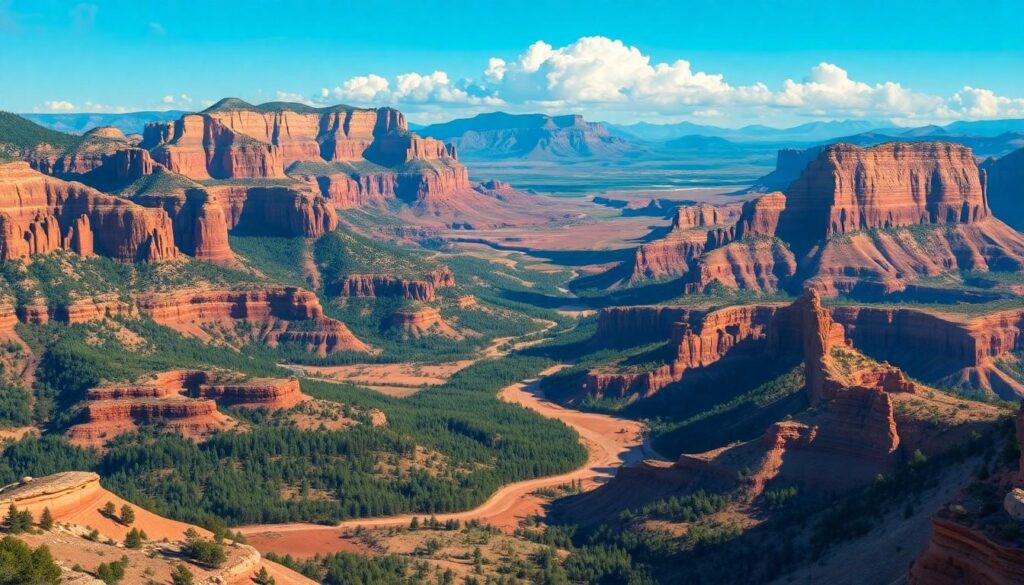
Horizon Forbidden West draws significant inspiration from real-world geographical and cultural elements. Players can experience familiar terrains and immersive storytelling.
Geographical Locations
The game’s map showcases a variety of landscapes that reflect actual places across the western United States. Players encounter towering cliffs similar to those found in Colorado, alongside expansive deserts reminiscent of Nevada’s terrain. Additionally, the lush forests echo those of the Pacific Northwest, featuring dense greenery and diverse ecosystems. Iconic landmarks such as mesas and canyons offer striking visual parallels to regions like Utah and Arizona. This connection to real geographic features enhances player immersion and exploration.
Cultural References
Cultural influences permeate the game, shaping the various tribes players interact with. Tribes represent distinct traditions and historical contexts, mirroring Native American cultures and their deep ties to the land. Traditional clothing designs reflect authentic patterns and textiles inspired by indigenous peoples. Players also notice architectural styles that nod to ancient civilizations, echoing structures found in Mesoamerican history. This rich tapestry of cultural references enhances storytelling, enriching the gaming experience and prompting players to reflect on real-world histories.
Map Design and Features
Horizon Forbidden West features a meticulously crafted map that immerses players in a rich and vibrant world. The game’s design draws direct inspiration from real-world locations, offering aesthetically pleasing landscapes and engaging exploration.
Landmarks and Points of Interest
Players encounter numerous landmarks and points of interest throughout the game, enhancing the sense of familiarity. Iconic formations, such as mesas and cliffs, echo notable sites found in the western United States. Sunken cities tell stories of past civilizations, inviting curiosity. Coastal landscapes bear resemblance to California’s rugged coastline, creating a vivid interplay between fiction and reality. Each location serves as a backdrop for quests, allowing players to dive deeper into the narrative. Engaging with these points prompts individuals to discover more about the lore and environment.
Environmental Diversity
Environmental diversity plays a crucial role in enriching the gameplay experience. The map showcases lush forests and expansive deserts, reminiscent of regions like the Pacific Northwest and Nevada. Varied biomes invite exploration, with each area presenting unique challenges and ecosystems. Players navigate through rugged mountains and serene plains, fostering a connection to nature. Dynamic weather patterns amplify the immersive quality of the terrain. Every location offers distinct wildlife interactions and environmental puzzles, encouraging players to engage with their surroundings actively. This variety ensures that exploration remains fresh and captivating throughout the journey.
Comparing to Its Predecessor
Horizon Forbidden West showcases notable advancements in its map design compared to its predecessor. This sequel emphasizes larger, more intricate landscapes that heighten player immersion. The map has expanded significantly, allowing players to explore diverse environments. Distinct biomes enhance the exploration experience, delivering captivating scenery with each new area.
Changes in Map Size and Layout
Significant changes in size and layout define the sequel’s map. Players encountered a landscape that is approximately 50% larger than in Horizon Zero Dawn. This increase supports deeper exploration and various pathways. Layout improvements promote seamless navigation between different regions, minimizing the need for excessive backtracking. Players experience a more organic flow while traversing terrain, allowing for an enhanced sense of adventure.
New Areas Explored
New areas entice players with unique environments and challenges. Coastal regions abound with rich biodiversity, showcasing vibrant underwater ecosystems. In addition, sprawling deserts introduce harsh conditions that test players’ survival skills. Iconic sites, including crumbling cities and ancient ruins, evoke a sense of history and wonder. These newly introduced locations not only deepen storytelling but also invite comparisons to real-world landscapes, enhancing the overall immersive experience.
Community Reactions and Interpretations
Players frequently share their thoughts regarding the alignment between Horizon Forbidden West’s landscapes and real-world geography. Many fan discussions highlight similarities with notable American locations, sparking insightful analysis about the game’s map design. Community members often compare the red rock formations in the game to those in Arizona, emphasizing the visual parallels. Coastal settings evoke memories of California’s coastlines, leading to further exploration of these shared experiences.
Social media platforms buzz with interpretations of the game’s cultural elements. Tribes within the game reflect diverse societies, prompting players to draw connections to actual Native American traditions. Traditional attire and architectural styles resonate with real historical contexts, encouraging discussion about representation in video games. Such dialogues enhance the gaming community’s understanding of cultural significance and immersion.
Critiques of the gameplay mechanics often arise, particularly regarding exploration and environmental puzzles. Players appreciate the increased challenges compared to its predecessor, urging ongoing engagement with the map’s intricacies. Navigation improvements facilitate a smoother journey, allowing for more extensive exploration while maintaining a sense of adventure. Feedback indicates that the larger map, being 50% bigger, offers diverse environments that attract players to uncover hidden secrets.
Furthermore, players express excitement about vast terrains filled with life-like dynamics. Dynamic weather systems alter gameplay, and interactions with wildlife heighten realism. As communities share experiences, discussions consistently highlight the meaningful connections drawn between fictional narratives and actual places. These dialogues confirm that Horizon Forbidden West serves not only as a game but also as an exploration of the world’s landscapes and cultures.
Conclusion
Horizon Forbidden West masterfully intertwines the allure of gaming with the beauty of real-world landscapes. Players not only embark on thrilling adventures but also gain a deeper appreciation for the geographical and cultural influences that shape the game. This unique blend invites exploration and reflection on both the virtual and actual worlds.
As players navigate vast terrains and engage with diverse tribes, they’re reminded of the rich histories that parallel their own. The game stands as a testament to the power of immersive storytelling, encouraging players to see beyond mere entertainment and embrace the connections that link them to the world around them.